When Healing Isn’t the Goal: Palliative Care for Malignant Wounds
NO
PHARMACEUTICAL INFLUENCE
When Healing Isn’t the Goal: Palliative Care for Malignant Wounds
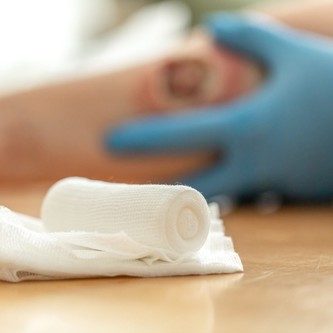
Mary is 82 and has a squamous cell carcinoma (SCC) of her lower leg, managed with palliative intent. You’ve known her for years and know her as fiercely independent and sociable.
But things are changing. Her tumour has ulcerated, with increasing exudate, malodour and occasional bleeding. Dressing changes are painful, and Mary is becoming reluctant to leave home because she worries about odour and leakage.
For Mary, healing is no longer the main goal. So, what does good wound care look like when a wound isn’t going to heal?
Start with what matters to Mary
Malignant fungating wounds can have a profound impact on quality of life. Pain, odour, exudate and bleeding are only part of the problem. Changes in body image, embarrassment and social isolation can be equally distressing.
NICE, NG142 recommends holistic assessment and regular review of the changing needs and preferences of people approaching the end of life. So instead of asking “How can I heal this wound?”, we need to ask “What is important to Mary, and how can I reduce the burden of this wound for her?”
Make dressing changes less of a burden
Dressing choice should reflect Mary’s symptoms and preferences. A non-adherent contact layer can reduce trauma, while an absorbent secondary dressing can help manage exudate, protect surrounding skin and prevent embarrassing leakage. Frequency matters too. If dressing changes are painful or distressing, could they safely be reduced?
Anticipate pain and bleeding
Procedural pain should be anticipated rather than simply treated afterwards. Gentle techniques, minimal wound manipulation and appropriately timed analgesia can all help. Persistent or worsening pain should prompt discussion with the wider primary-care or specialist palliative-care team. Malignant tissue can also be friable and vascular. Mary needs an individualised plan for bleeding and clear advice about when to seek urgent help. If significant haemorrhage is a possibility, sensitive advance planning is essential.
Could palliative radiotherapy help?
Specialist local treatment may still have a role. Palliative radiotherapy can sometimes shrink a malignant wound and reduce symptoms such as pain, bleeding and exudate. For Mary, increasing symptoms should prompt discussion with her about whether or not she wishes to explore this option. If so, we can ask the oncology team whether a short course of palliative radiotherapy may be an option to improve her quality of life.
Don’t underestimate odour
For Mary, malodour is particularly important because it is stopping her going out. Assessment should consider devitalised tissue, heavy exudate and signs of clinical infection. Colonisation alone doesn’t mean infection, so antibiotics shouldn’t be automatic. Appropriate cleansing, good exudate management and odour-absorbing dressings can all help.
Look beyond the wound
This is where continuity of care really matters. Knowing Mary allows you to recognise what she is losing, and to ask what she most wants to preserve. She may care far more about seeing friends, maintaining her independence and feeling confident enough to leave the house than about whether the wound becomes smaller. And that changes how we define success.
For Mary, successful wound care may mean less pain, less odour, fewer traumatic dressing changes and the confidence to go out again.
For practice nurses caring for patients with malignant wounds, the wound is only one part of the picture. Holistic assessment, symptom control, continuity and coordinated multidisciplinary care can make a real difference to what matters most for patients: dignity, independence and quality of life.
Useful patient links include Macmillan Cancer Support and Cancer Research
Caring for patients at the end of life in primary care is one of the most important roles that we play. If you feel in need of an update to help patients like Mary, please join us for our Palliative and End of Life Care course on September 17th or on demand at a time that suits you. We hope to see you soon!
Natalie Kempshall
20th August 2026
Join us at one of our upcoming courses or live webinars



Purchase an NB Plus subscription for unlimited access to the NB Medical digital library
Recent NB Blogs
Need an immediate update? – all our courses are available on demand
Did you find this useful?
You can quickly add CPD to your account by writing a reflective note about the When Healing Isn’t the Goal: Palliative Care for Malignant Wounds post you've read.
Log in to your NB Dashboard and use the 'Add Reflective Note' button at the bottom of a blog entry to add your note.