Planning ahead: hypothyroidism and pregnancy
NO
PHARMACEUTICAL INFLUENCE
Planning ahead: hypothyroidism and pregnancy
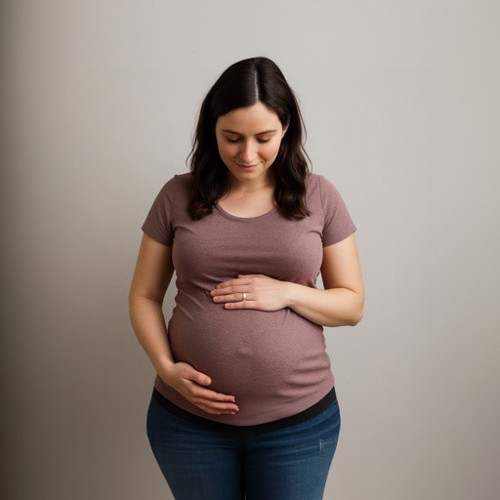
Rachel is a 32-year-old lady who presents feeling more fatigued than normal. She is most concerned about the possibility of anaemia. She reports her periods are generally heavy, she follows a plant-based diet and has previously needed iron supplements.
She is particularly focused on improving her health as she wishes to try for a baby in the coming months.
Blood tests show a normal Hb but raised TSH and low T4, and Rachel is diagnosed with overt hypothyroidism.
So, how should we manage Rachel in the short term, and what advice should she be given about any future pregnancy? The new green-top guideline ‘Management of Thyroid Disorders in Pregnancy’, published in April 2025, provides recommendations for pre-conception management, treatment during pregnancy and post-partum.
Why is optimal management of thyroid disorders particularly important during this time? Both untreated and insufficiently treated overt hypothyroidism are associated with an increased risk of adverse outcomes for both mother and baby, including miscarriage, low birth weight, perinatal death, impaired neurological development, pregnancy-induced hypertension, pre-eclampsia, and post-partum haemorrhage.
Importantly for us in primary care, the guideline emphasises the benefits of optimising treatment pre-conception, providing advice on empirical changes to levothyroxine dosage to prevent hypothyroidism during the critical first trimester, and monitoring the patient until specialist review. Levothyroxine should be titrated to a preconception target TSH 0.1-2.5mU/L for those with overt hypothyroidism. Treatment is also recommended for those with severe subclinical hypothyroidism (TSH >10 mU/L, normal fT4), and should be considered if TSH > normal range but <10mU/L.
Patients should also be advised to empirically increase the dose of their levothyroxine as soon as they have a positive pregnancy test by doubling the dose of their levothyroxine on 2 days of the week, for example, at the weekend (alternatively, they can increase by 25mcg daily for those on doses less than or equal to 100mcg, or by 50mcg daily for those on doses over 100mcg). This is because an increase in thyroid hormone requirement occurs as early as 4-6 weeks of gestation, meaning that prompt dose changes are important to mimic physiological responses and prevent hypothyroidism. TSH and fT4 should be monitored at first contact, then every 4-6 weeks until 20/40, and then again at 28 weeks, with levothyroxine titrated to keep TSH 0.1-2.5mU/L and fT4 within the trimester-specific normal range.
Practical advice- for women with nausea and vomiting of pregnancy, advise taking the dose at a time of day they are least likely to be sick (if this exists). Other options include dividing levothyroxine into 2 doses to mitigate loss (in severe cases, IV treatment may be required).
What struck me on reading this guideline was the issue of facilitating pre-conception planning. Whilst in this case Rachel’s intent to try to conceive was helpfully signposted, the majority of patients don’t approach us for pregnancy advice unless they are already having difficulty conceiving or have experienced pregnancy loss.
What information is routinely given to patients of childbearing age upon diagnosis of hypothyroidism? Do you ask about plans for pregnancy? Are they aware of the advice to seek pre-conception review, or to empirically increase their dose at a positive pregnancy test? The British Thyroid Foundation have a helpful PIL, which could be shared if appropriate. However, it’s important to consider that discussions around pregnancy can be emotive and should be approached sensitively.
The take-home message is that early patient education is key!
Dr Laura Darby
8th April 2026
Join us at one of our upcoming courses or live webinars



Purchase an NB Plus subscription for unlimited access to the NB Medical digital library
Recent NB Blogs
Need an immediate update? – all our courses are available on demand
Did you find this useful?
You can quickly add CPD to your account by writing a reflective note about the Planning ahead: hypothyroidism and pregnancy post you've read.
Log in to your NB Dashboard and use the 'Add Reflective Note' button at the bottom of a blog entry to add your note.